
To maintain youthful healthy skin, we recommend daily broad-spectrum SPF 30 or higher, gentle cleansing, regular moisturizing, and a gradual approach to active ingredients that target visible aging. These habits help limit sun damage and keep your skin comfortable while treatments work over time.
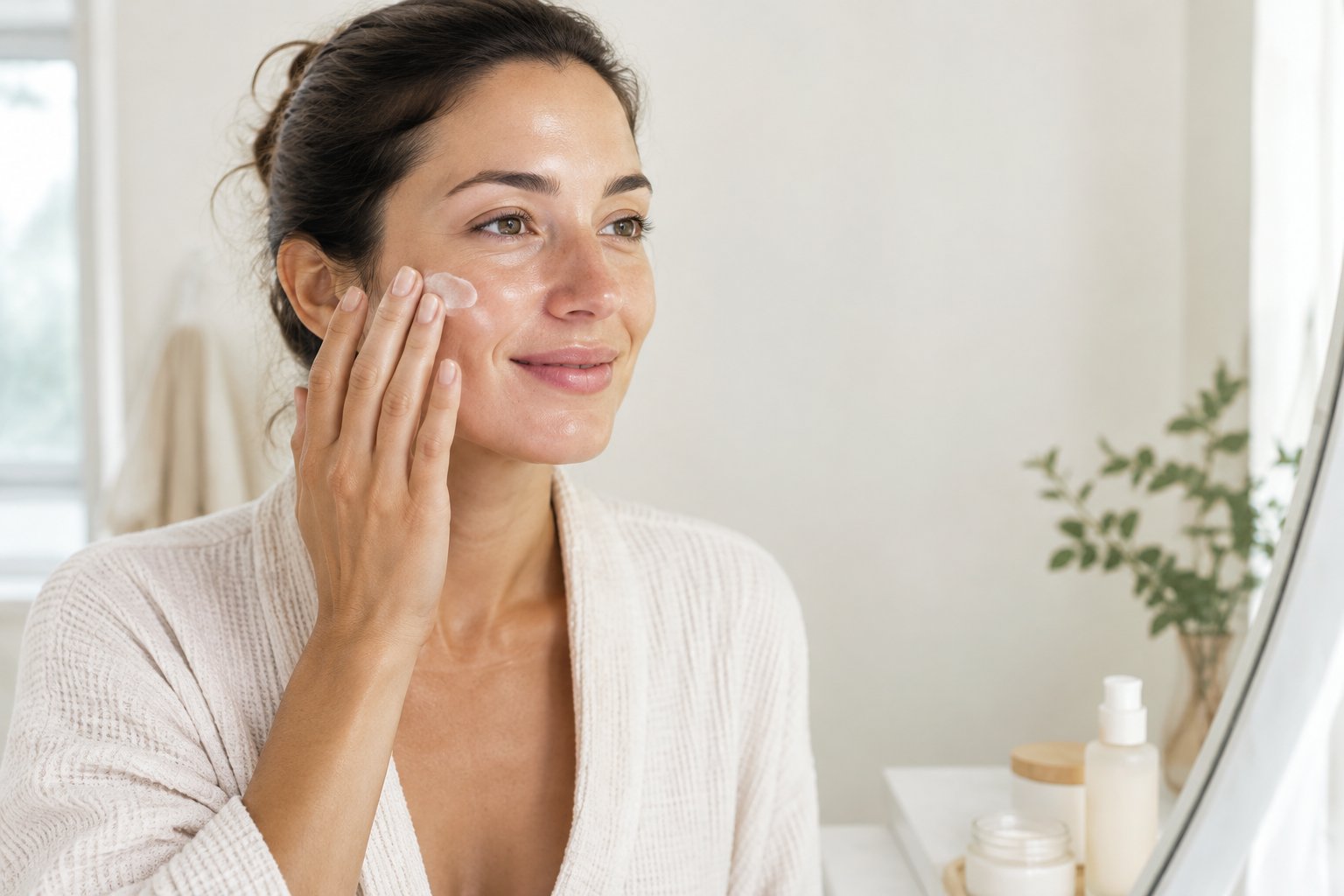
Skin aging is normal. Youthful skin still has texture, pores, and expression lines, and healthy skin looks different at every age. Our approach focuses on preventing avoidable damage and choosing care you can keep using without irritation.
Protect Your Skin With Broad-Spectrum SPF 30 Every Day
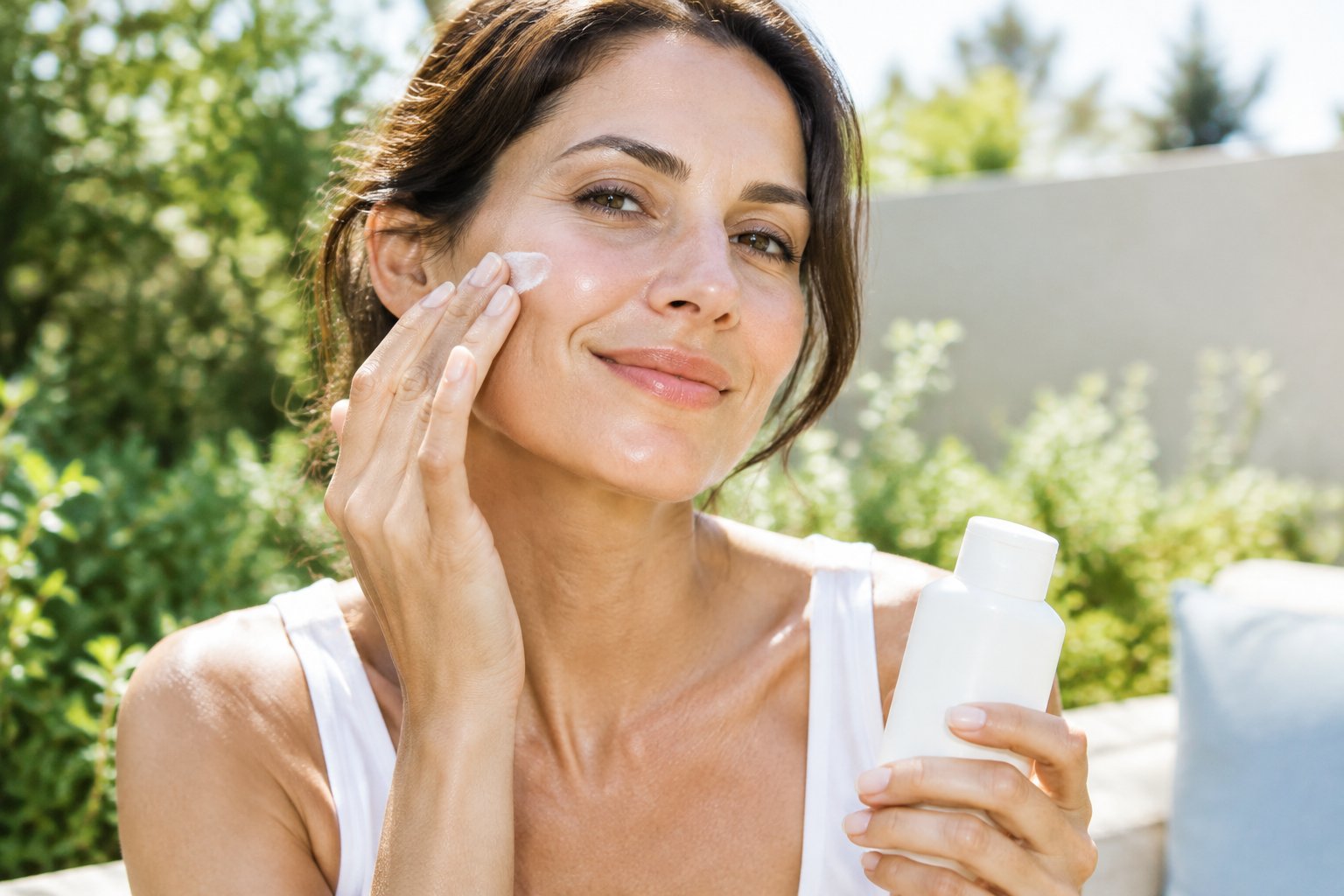
Daily sunscreen is our first recommendation for limiting premature skin aging. UV exposure speeds the breakdown of collagen and elastin and causes DNA damage that may lead to skin cancer. Repeated exposure also contributes to photoaging, including dark spots and uneven texture.
Build sun protection into your morning with these steps:
- Choose a broad-spectrum sunscreen with SPF 30 or higher. Broad-spectrum protection covers UVA and UVB rays.
- Apply generously to exposed skin, including your ears, neck, and hands. Follow the label’s application instructions.
- Reapply at least every two hours outdoors and after swimming, sweating, or towel drying, as directed.
- Add shade, protective clothing, a wide-brimmed hat, and sunglasses.
Choose a water-resistant formula for outdoor activity. For sunscreen under makeup, apply sunscreen as the last skin care step and allow it to set before makeup. Makeup with SPF offers additional protection, but its coverage depends on how much you apply.
Build a Simple Morning and Evening Skin Care Routine
Start with a repeatable morning and evening routine before adding treatment products. We recommend keeping your basic skin care routine short enough to follow on busy days.
Morning
- Wash with a gentle cleanser, or rinse with lukewarm water if morning cleansing leaves your skin tight.
- Apply moisturizer as needed.
- Finish with sunscreen.
Evening
- Remove makeup and sunscreen with a gentle cleanser. Use a separate makeup remover when needed.
- Apply a treatment only after your skin tolerates the basic routine.
- Finish with moisturizer.
Use your fingertips to cleanse, rinse well, and pat dry. Scrubbing and hot water increase irritation. For acne-prone skin, choose products labeled noncomedogenic, which means they are formulated to reduce the chance of clogged pores.
Introduce each new product separately. If you already use acne medication, check ingredient overlap before adding retinol or exfoliating acids.
Moisturize Daily to Support Your Skin Barrier
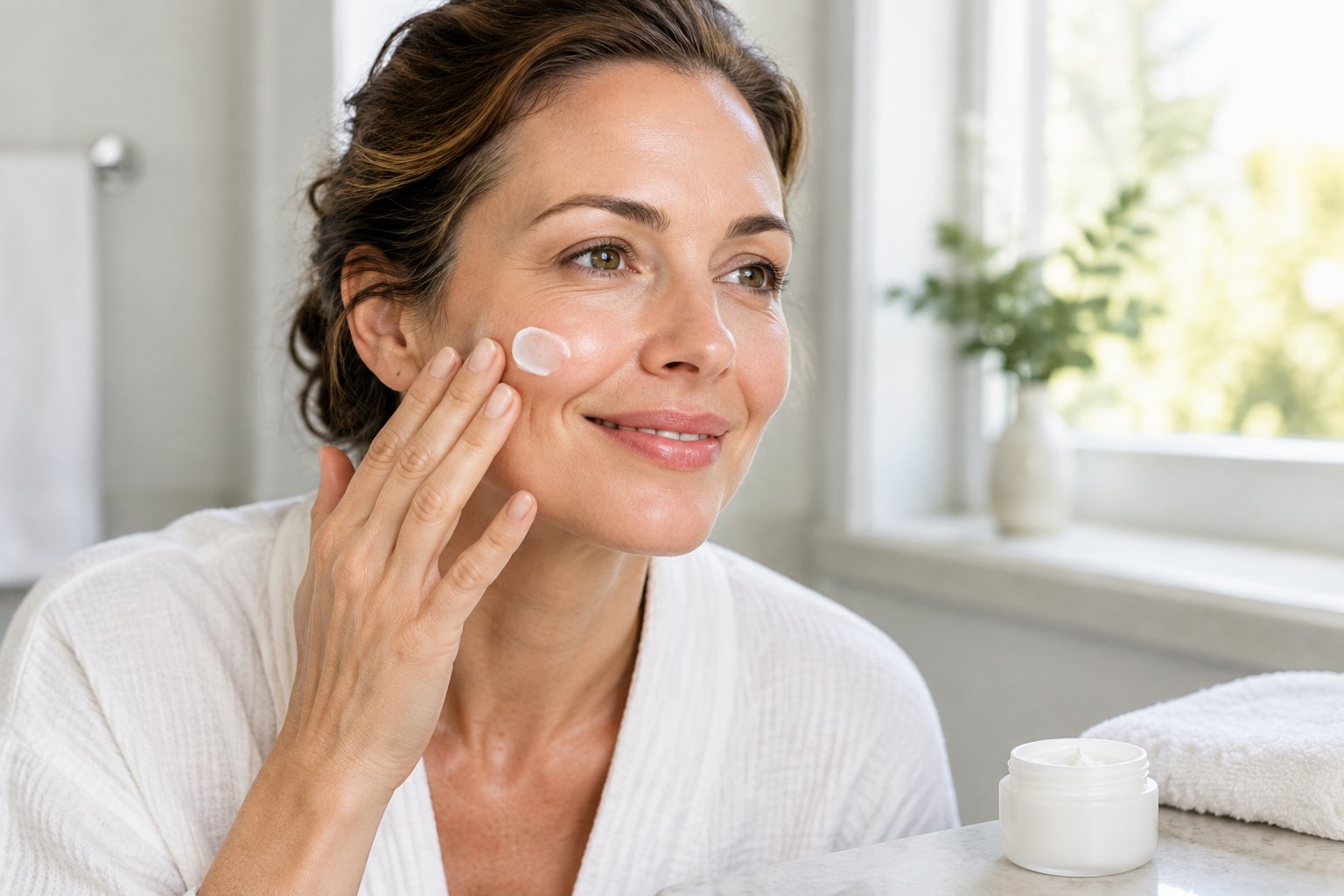
Daily moisturizer helps your skin retain water and supports its protective barrier. A well-supported skin barrier keeps moisture in and reduces contact with irritating substances.
We recommend choosing a texture after identifying your skin type:
- Dry skin: Try a fragrance-free cream with a richer texture.
- Oily skin: Start with a light lotion or gel cream.
- Sensitive skin: Choose a simple, fragrance-free formula and test it on a small area first.
- Combination skin: Apply extra moisturizer to dry areas while keeping oily areas lightly covered.
Hyaluronic acid and glycerin attract water. Ceramides help replenish fats found in the skin barrier, while ingredients such as petrolatum reduce moisture loss.
Apply moisturizer after cleansing while your skin is slightly damp. If skin dryness continues, reduce irritating treatments and reassess your cleanser. Persistent burning, cracking, or itching deserves medical attention.
Introduce Retinoids Gradually for Fine Lines and Wrinkles
Retinoids are a well-supported option for treating fine lines and wrinkles when your skin tolerates them. These vitamin A-based ingredients support collagen production and skin renewal. Retinol is available in cosmetic products; prescription options include tretinoin.
Our recommendation is to add a retinoid only after cleansing, moisturizing, and sunscreen feel comfortable:
- Choose a gentle starting product, with advice from a dermatologist if you have sensitive skin.
- Apply at night to dry skin, following the product’s directions.
- Begin on spaced-out evenings and increase gradually as tolerated.
- Use moisturizer to ease dryness.
- Pause treatment if you develop persistent burning, swelling, or raw skin.
Wrinkle improvements from retinoids take three to six months of regular use, with the best results taking six to 12 months. Results from cosmetic retinol vary by formula and strength.
Avoid retinoids during pregnancy or while trying to conceive. If breastfeeding, discuss use with your clinician. Keep other potentially irritating anti-aging ingredients out of your routine while your skin adjusts.
Add Antioxidants for Brighter, More Even Skin
An antioxidant product is an optional addition for dullness or uneven skin tone once your basic routine is stable. We suggest choosing a formula aimed at your main concern and introducing it separately from other new treatments.
Topical vitamin C helps reduce excess pigmentation and supports collagen production. Vitamin E appears in many moisturizing formulas and antioxidant blends. Results depend on the finished product, including its stability and how well your skin tolerates it.
Apply your antioxidant product as directed, usually before moisturizer. Keep sunscreen as the final morning skin care layer, and follow storage instructions to protect the formula from heat and light.
For glowing skin, aim for comfortable hydration and a more even appearance. Nutrients also support normal skin function, so we recommend getting skin-supporting vitamins and minerals through a varied diet. Discuss supplements with a clinician if you suspect a deficiency.
Exfoliate Gently Without Irritating Your Skin
Exfoliation is optional, and a gentle product used sparingly is our preferred starting point. Removing dead skin cells from the surface helps some people improve rough texture, but excessive exfoliation causes inflammation and peeling.
Choose chemical exfoliants based on your concern:
- Alpha hydroxy acids (AHAs): Glycolic acid and lactic acid target surface roughness.
- Beta hydroxy acid (BHA): Salicylic acid helps clear clogged pores and suits some oily, acne-prone skin.
Begin with infrequent use and follow the label. Keep exfoliating acids on separate evenings from a newly introduced retinoid so you can judge your skin’s response.
Avoid exfoliating sunburned, cracked, or actively irritated skin. People with eczema or rosacea should ask a dermatologist before adding acids. If even water or moisturizer starts to sting, stop exfoliation and return to gentle cleansing and moisturizing until the irritation settles.
Choose Foods That Support Skin Health
A varied diet supplies the protein, fats, and micronutrients your skin needs for normal function. We recommend building meals around whole foods while leaving room for personal preferences and medical needs.
Include antioxidant-rich foods such as berries, leafy greens, and bell peppers. Add protein from fish, eggs, beans, tofu, or other suitable options, along with healthy fats from olive oil, nuts, or seeds. Vitamin C is needed for normal collagen formation, and adequate protein supplies its building blocks.
For a skin-supporting eating pattern year-round, start by adding produce to meals and replacing some sugary snacks with more nutrient-rich choices. Processed foods vary widely; frozen vegetables and canned beans are useful staples.
Collagen supplements have mixed evidence for improving skin hydration and elasticity. Benefits are uncertain, and findings are affected by differences in products and study quality. Our recommendation is to prioritize adequate food intake and discuss supplements with your clinician, especially if you have allergies or take medication.
Support Skin Recovery With Sleep and Healthy Habits
Regular sleep and avoiding tobacco support skin health alongside topical care. “Beauty sleep” is a reminder to protect rest, which supports the body’s normal recovery and skin repair processes.
Keep a steady sleep schedule and allow enough time to wake feeling rested. A cool, dark bedroom and a quiet wind-down routine help support that schedule. Seek medical advice for ongoing insomnia or loud snoring with daytime sleepiness.
Smoking damages collagen and elastin and contributes to wrinkles. If you smoke, ask your clinician about cessation support. Keep alcohol limited, and choose physical activity suited to your health.
Drink fluids regularly and adjust for heat or exercise. The relationship between water intake and skin hydration is most relevant when fluid intake is inadequate. Extra water does not replace moisturizer or treat persistent dry skin.
Decide Whether Eye Cream, Peptides, or Facial Massage Are Worth Adding
Eye cream, peptides, and facial massage are optional additions after your core routine is working. We suggest choosing an extra only when it addresses a specific concern and fits your budget.
Eye cream: A gentle facial moisturizer is enough for many people’s eye-area dryness if its label permits that use. A separate eye product is useful when you prefer its texture or need a formula designed for that area. Keep products away from the lash line unless directed otherwise.
Peptides: Some formulas show promise for improving the appearance of aging skin, but results vary by ingredient and product. A peptide moisturizer is a reasonable optional choice if you enjoy using it and it causes no irritation.
Facial massage: Light pressure offers relaxation and temporary changes in puffiness. Evidence for lasting wrinkle reduction or lifting is limited. Use clean hands, avoid pulling, and skip inflamed areas.
For younger-looking skin, we would keep spending focused on reliable sunscreen and a well-tolerated moisturizer before adding these extras.
Track Your Progress and Know When to See a Dermatologist
Track changes with consistent photos and seek professional care for persistent symptoms or suspicious spots. We recommend taking photos in the same lighting and position, without filters, and recording when you start or stop products.
Look for changes in comfort and dryness as well as appearance. Introduce products separately so your notes can help identify a likely cause of irritation. Normal skin aging continues even when a routine is effective, so set goals around specific concerns.
Arrange a dermatologist visit for:
- Acne that scars or fails to improve with appropriate care.
- Ongoing redness, itching, or peeling.
- A new spot that looks different from your other spots.
- A mole that changes shape or color.
- A sore that bleeds or fails to heal.
A spot that hurts, itches, bleeds, or does not go away warrants a dermatologist visit. Seek prompt assessment for possible skin cancer, and ask your clinician how your personal risk affects screening needs.
Make Consistent Protection and Gentle Care Your Daily Habit
Our recommendation is to keep daily sun protection and gentle care at the center of your routine. Add treatments only when you have a clear goal and your skin is comfortable with the basics.
Keep cleanser, moisturizer, and sunscreen easy to reach. If irritation develops, pause optional active ingredients and review what changed before restarting them.
Frequently Asked Questions
A skin care routine should adapt to your skin’s needs as they change with age. Our answers below address common decisions about timing, cost, and seasonal care.
At what age should you start caring about skin aging?
We recommend sun protection and gentle skin care from an early age, with age-appropriate products. Add treatments for visible aging when a specific concern develops and a clinician or product’s directions support their use.
Do expensive products work better for younger-looking skin?
Price alone does not establish how well a product works. We recommend choosing by suitable ingredients, clear directions, and skin tolerance; affordable products are enough to build an effective basic routine.
Does oily skin still develop wrinkles?
Oily skin can still develop wrinkles and other age-related changes. We recommend a light moisturizer and suitable sunscreen. Surface oil does not prevent UV damage or collagen loss.
Should your routine change with the seasons?
Adjust your moisturizer and cleansing habits when weather changes how your skin feels. For healthy aging skin throughout the year, keep sunscreen consistent and increase moisturizing support when cold air or indoor heating causes dryness.