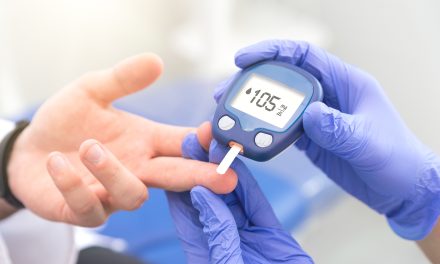
Some people can reverse type 2 diabetes naturally, meaning reach remission, through sustained weight loss and lifestyle changes supported by medical care. We recommend starting with your clinician. Changes in food intake and activity can lower blood sugar enough to require medication adjustments. Remission is possible, especially earlier after diagnosis, but it is never guaranteed.

Reversing type 2 diabetes means bringing blood sugar below the diabetes range without glucose-lowering medication for a defined period. The risk of high blood sugar returning remains, so follow-up care continues even after remission.
Your safest starting point is a plan that fits your health, budget, and daily routine. Food choices and movement support treatment whether you reach remission or continue taking medication.
What Counts as Diabetes Remission Rather Than a Cure?

Diabetes remission means your hemoglobin A1c stays below the diabetes threshold after glucose-lowering medication has been stopped under medical supervision. The American Diabetes Association joined an international consensus defining remission as an A1c below 6.5%, measured at least three months after stopping these medicines. A1c reflects your average blood sugar over the previous few months.

We use “remission” because it describes a measurable health state while recognizing the chance of recurrence. “Diabetes reversal” is a less precise term. Whether type 2 diabetes can be cured is a separate question: current treatments do not establish a permanent cure.
An A1c below the diabetes threshold while taking medication shows effective treatment. When deciding whether stopping treatment is appropriate, your clinician should prioritize safe glucose control and any heart or kidney benefits your medicines provide.
Start With a Clinician-Guided Plan and Baseline Tests

A safe remission plan begins with confirming your diagnosis and recording your starting health measures. We recommend arranging this visit before major calorie cuts, fasting, or a sharp drop in carbohydrate intake. Insulin and certain other diabetes medications increase the risk of low blood glucose during these changes.
Ask your clinician to review:
- Your diagnosis: Confirm whether you have type 2 diabetes, prediabetes, or another form of diabetes.
- Baseline measures: Record A1c, weight, blood pressure, and blood glucose patterns.
- Related health checks: Review cholesterol, kidney function, urine albumin, and liver health when appropriate.
- Current treatment: Discuss every prescription, over-the-counter medicine, and supplement.
- Monitoring instructions: Get clear glucose targets and a plan for readings outside your range.
Insulin resistance is an important part of how type 2 diabetes develops, but insulin production also affects treatment needs. If your diagnosis is uncertain, ask whether further testing is needed before pursuing remission.
Request a referral to a registered dietitian or certified diabetes care and education specialist. Bring a short record of meals and glucose readings so your team has something concrete to work with.
Set a Sustainable Weight-Loss Goal
Sustained weight loss is a major driver of remission for people carrying excess body fat. We recommend setting an individual goal with your clinician and making a plan to keep the weight off. Losing excess fat improves insulin sensitivity and reduces fat stored in the liver.
Greater weight loss, shorter diabetes duration, and better remaining insulin production are linked with a higher chance of remission. Fatty liver also deserves attention because excess liver fat contributes to problems with glucose regulation.
The DiRECT trial tested a structured weight-management program. It included a low-calorie meal-replacement phase, food reintroduction, and ongoing support. The program involved medical supervision and medication management. Copying a severe calorie restriction at home introduces avoidable risks.
To support sustainable weight loss:
- Replace sugary drinks with water or unsweetened drinks.
- Plan filling meals with protein and fiber.
- Adjust portions without skipping needed nutrition.
- Review weight trends with your care team.
- Ask for help early if hunger or weight regain becomes difficult.
If you are already at a healthy weight, avoid pursuing aggressive weight loss without specialist advice.
Build Balanced Meals and Personalize Carbohydrate Intake
Balanced meals support blood sugar control while supplying the nutrients your body needs. We recommend starting with food quality and portions, then adjusting carbohydrate intake based on your glucose response and treatment plan. Carbohydrates have the greatest effect on blood sugar among the main nutrients.
Build meals around these components:
- Non-starchy vegetables: Choose broccoli, leafy greens, peppers, or cauliflower.
- Protein: Include fish, chicken, tofu, eggs, or another suitable option.
- Fiber-rich carbohydrates: Use portions of beans, other legumes, whole grains, or starchy vegetables.
- Unsaturated fats: Add modest amounts of olive oil, nuts, or avocado.
Beans supply both carbohydrate and protein, so include them when reviewing your total carbohydrate intake. Whole fruit also fits into a diabetes eating plan. Juice delivers carbohydrate with less fiber and is easier to consume quickly.
Your carbohydrate amount per meal should match your medication, activity, and nutrition needs. A dietitian can help you compare meals and identify portions that leave you satisfied.
Before trying a ketogenic diet or fasting, speak with your prescriber. Very-low-carbohydrate eating needs particular caution with SGLT2 medicines because of the risk of ketoacidosis.
Add Regular Walking and Strength Training
Regular physical activity improves insulin sensitivity and helps your muscles use blood glucose. We recommend beginning with comfortable walking and adding resistance exercise as your fitness allows. Walking also supports weight management and heart health.
A practical goal is to build toward 30 minutes of walking daily, split into shorter walks if needed. If you are inactive, begin with a manageable distance and increase gradually.
Use a simple routine:
- Take a short walk after a meal when practical.
- Add strength exercises using resistance bands, weights, or supported body-weight movements.
- Break up long sitting periods with standing or gentle movement.
- Record activity alongside glucose readings to spot patterns.
Choose shoes that fit well and check your feet for rubbing or sores. If you have neuropathy, an open foot wound, significant eye disease, or heart symptoms, ask your care team which activities are safe.
If you use insulin or medicine that causes low blood sugar, ask when to check blood glucose levels around exercise. Carry a fast-acting glucose treatment and follow your clinician’s instructions.
Improve Sleep and Make Stress Management a Daily Habit
Regular sleep and practical stress management support your diabetes treatment plan. We recommend treating persistent sleep problems as a health concern. Poor sleep contributes to insulin resistance and makes meal planning or activity harder to sustain.
Keep a steady bedtime and wake-up time when your schedule allows. Limit late caffeine and create a quiet, dark sleep space. Ask about sleep apnea if you snore loudly, wake gasping, or feel very sleepy during the day.
Stress hormones raise blood sugar, and ongoing stress also affects daily habits. Choose one repeatable method:
- Practice slow breathing during a regular break.
- Use brief meditation for mental health.
- Schedule a relaxing activity or contact with supportive people.
- Seek counseling if distress interferes with diabetes care.
Sleep and stress care belong alongside nutrition and movement in a comprehensive lifestyle treatment plan. They support your health even when their effect on glucose is less obvious than a meal change.
Track Progress and Adjust Medication With Your Clinician
Tracking glucose trends helps your clinician adjust diabetes medication safely as your health changes. We recommend keeping a short, useful record that includes readings, medication doses, and symptoms. Add notes about illness or unusual activity when they help explain a change.
Agree on:
- When to check blood glucose levels.
- Which readings require a call.
- How to respond to low blood sugar.
- When to repeat A1c.
- Who will review medication changes.
Home readings show daily patterns; A1c helps assess longer-term progress. Both inform how you manage type 2 diabetes, but neither replaces a medication review.
Metformin alone has a low risk of causing low blood sugar. Insulin and sulfonylureas need closer attention when food intake or exercise changes. Never reduce or stop a medicine on your own to qualify for remission.
Contact your care team promptly for persistent high blood sugar. Vomiting, abdominal pain, deep or rapid breathing, confusion, or trouble staying awake require urgent medical assessment. Severe low blood sugar with unconsciousness or a seizure is an emergency.
Consider Additional Treatments When Lifestyle Changes Are Not Enough
Additional treatment is appropriate when lifestyle changes alone leave blood sugar above your agreed target. We recommend discussing it promptly, since prolonged high glucose increases the risk of complications. Needing treatment reflects the biology of type 2 diabetes, including changes in insulin production.
Your clinician might discuss diabetes medication that supports weight loss or protects the heart and kidneys. Insulin is necessary for some people with type 2 diabetes, including during periods of severe high blood sugar.
Metabolic or bariatric surgery is another option for eligible people with type 2 diabetes and obesity. It produces substantial weight loss and sometimes leads to diabetes remission, but requires assessment of surgical risks and lifelong nutrition follow-up.
Ask your team about:
- Expected benefits for glucose and weight.
- Side effects and treatment risks.
- Cost, insurance coverage, and access.
- The follow-up schedule.
- What happens if treatment is stopped.
Glucose control achieved while taking glucose-lowering medication remains a valuable health outcome, even when it does not meet the formal remission definition.
Maintain Your Progress and Keep Up With Diabetes Checks
Diabetes remission requires continued monitoring because blood sugar can rise again. We recommend keeping your follow-up appointments even when you feel well. Weight regain, illness, certain medicines, and changes in insulin production affect blood sugar control.
Continue the eating pattern and physical activity that fit your life. If weight begins to return or readings rise, contact your team early so you can review the plan before the change becomes harder to manage.
Ask your clinician how often to repeat hemoglobin A1c after remission. Keep up with:
- Retinal eye screening.
- Kidney blood and urine tests.
- Foot and nerve checks.
- Blood pressure and cholesterol reviews.
- Dental care and recommended vaccines.
A history of diabetes still affects your long-term care needs. The habits used to maintain healthy blood sugar levels should continue alongside screening for complications, including problems that began before remission.
Aim for Lasting Blood Sugar Improvement, Not a Quick Cure
Lasting improvement comes from a safe treatment plan you can sustain. We recommend combining appropriate weight management with balanced meals, regular activity, and ongoing clinical care. Continue prescribed treatment while your clinician evaluates your progress.
Diabetes remission is a worthwhile goal for some people with type 2 diabetes. Your next step is to arrange a baseline review and agree on one achievable food or activity change, plus clear instructions for glucose monitoring.
Frequently Asked Questions
Can supplements help you reach diabetes remission?
We do not recommend supplements as a treatment for reaching remission because evidence does not establish a reliable benefit. Discuss any product with your clinician, since supplements can interact with diabetes medication or cause side effects.
Should you eliminate fruit to lower carbohydrate intake?
We recommend keeping suitable portions of whole fruit in a balanced eating plan. Count its carbohydrate alongside other foods, and use your glucose response and dietitian’s advice to adjust portions.
What if you lose weight without trying?
We recommend prompt medical assessment for unexplained weight loss, especially with thirst or frequent urination. These symptoms may reflect high blood sugar and require a treatment review.
Can someone taking insulin still work toward remission?
We support discussing remission goals with your clinician, even if you currently use insulin. Your prospects depend on factors such as how much insulin your body still produces and how long you’ve had diabetes. Continue insulin until your prescriber changes the plan.