
You can lower your risk of nutritional anemia by eating iron-rich foods, getting enough vitamin B12 and folate, and addressing blood loss or health conditions that affect your red blood cells. If you already have anemia, you need a treatment plan based on its cause; food changes alone may be insufficient.

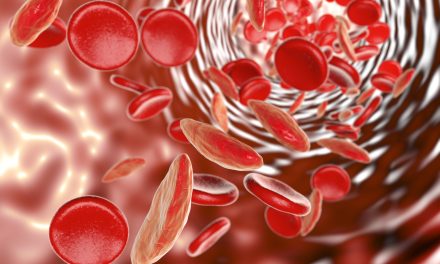
Your healthy red blood cells carry oxygen using hemoglobin, an iron-containing protein. With iron-deficiency anemia, your body lacks enough iron to make adequate hemoglobin. You also face other forms of anemia that require different care, including inherited conditions that nutrition cannot prevent.
Which Foods Help Prevent Nutritional Anemia?
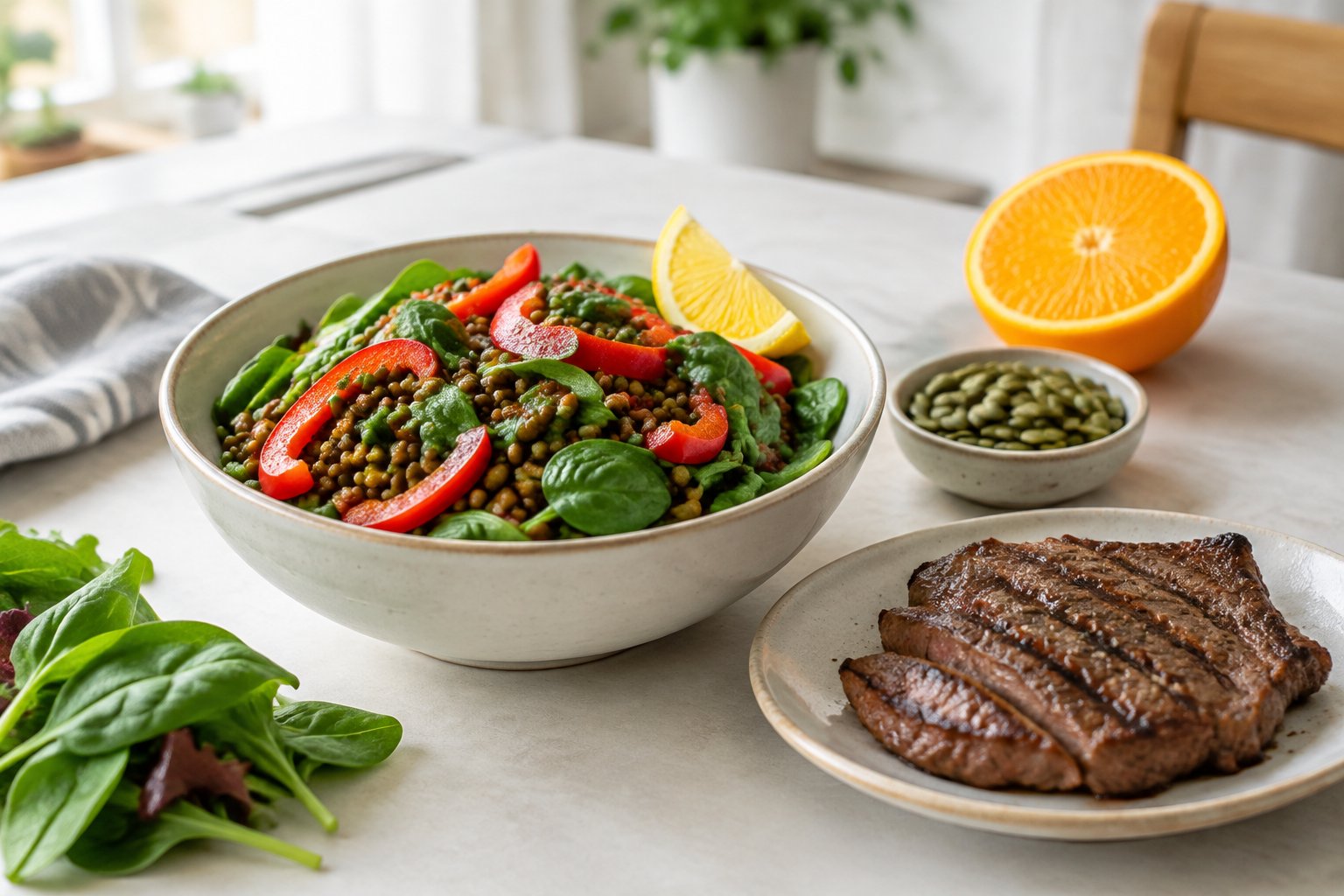
You support red blood cell production by including foods that supply iron, vitamin B12, and folate in your regular meals.
- For iron: Choose lean beef, seafood, beans, lentils, chickpeas, tofu, pumpkin seeds, or iron-fortified cereals. You also get iron from spinach, though your body absorbs its iron less efficiently.
- For vitamin B12: Include fish, eggs, dairy, meat, or foods labeled as B12-fortified. If you eat a vegan diet, use a reliable fortified food or supplement plan.
- For folate: Add leafy greens, beans, asparagus, avocado, or enriched grains. You might also see folate called vitamin B9.
You need to check fortification labels carefully: unfortified plant foods do not naturally contain vitamin B12. Nutritional yeast supplies B12 only when the product contains added B12.
Your folate target is 400 micrograms of dietary folate equivalents daily as an adult. Dietary folate equivalents account for differences in how your body absorbs food folate and added folic acid.
With B12 or folate deficiency, you can develop megaloblastic anemia, which involves unusually large, poorly formed red blood cells. You need these nutrients for cell development, separate from their role in preventing nutritional deficiencies through food; they are not general iron-absorption boosters.
How Can You Improve Iron Absorption?
Pair your plant-based iron foods with vitamin C at the same meal to improve iron absorption. Add red pepper to lentils, tomatoes to beans, or an orange alongside fortified cereal.
Your body absorbs heme iron from animal foods more easily than nonheme iron from plants. Vitamin C increases your absorption of nonheme iron, making food pairing especially useful with a plant-based diet.
If your iron stores are low, have tea and coffee between meals. Their polyphenols interfere with iron absorption, so choosing decaf does not remove that concern.
Keep calcium in your diet for bone health. If you take calcium and prescribed iron supplements, ask your pharmacist about separating the doses because calcium interferes with absorption when taken together.
As you work to increase iron levels safely, focus on your usual eating pattern. You do not need to make every meal perfectly timed.
Address Blood Loss and Other Causes Before Taking Supplements

You need to identify why your iron is low before choosing a supplement plan. With ongoing blood loss, you can lose iron faster than meals replace it.
If you have heavy periods, bleeding between periods, blood in your stool, or frequent blood donations, discuss these with your clinician. Finding the cause of iron deficiency helps prevent repeated episodes. If you are a man or past menopause with iron-deficiency anemia, your evaluation should include consideration of upper endoscopy and colonoscopy, even without digestive symptoms.
Your anemia evaluation also needs to account for conditions that food alone cannot correct:
- With pernicious anemia, an autoimmune problem limits B12 absorption. Your treatment for pernicious anemia requires B12 replacement tailored to that problem.
- With chronic disease or kidney disease, inflammation or reduced hormone signals interfere with red blood cell production.
- With hemolytic anemia, your red blood cells break down too quickly; with aplastic anemia, your bone marrow makes too few blood cells.
- With thalassemia or sickle cell disease, inherited changes affect your hemoglobin.
During pregnancy, review your prenatal vitamin and folic acid needs with your prenatal clinician. Avoid adding high-dose iron yourself: excess iron can harm your organs. If you have vitamin B12 deficiency, folic acid alone can improve blood counts while nerve damage continues.
When Do Symptoms Call for Blood Tests or Urgent Care?
Arrange a medical evaluation if you have persistent fatigue, dizziness, headaches, shortness of breath with usual activity, or newly pale skin. You cannot diagnose anemia from symptoms alone, and mild anemia sometimes causes no noticeable symptoms.
Your clinician can start with a blood test called a complete blood count, or CBC. Through a CBC, your clinician checks hemoglobin levels, red blood cell counts, and average cell size. Low hemoglobin supports a diagnosis of anemia, but you still need an explanation for the result.
Depending on your history, you might also need ferritin to assess stored iron, B12 or folate tests, or kidney function testing. If you have inflammation, your clinician needs to interpret ferritin carefully because inflammation raises it.
Call 911 if you have chest pain, severe trouble breathing, fainting, confusion, or bleeding that will not stop. You need immediate help for these medical emergency warning signs, regardless of whether you suspect anemia.
If you have severe anemia or serious complications, your hospital team might use blood transfusions. Your anemia treatment options depend on your symptoms, test results, and underlying cause; a low result alone does not establish a need for transfusion.
Build Nutrient-Rich Habits and Follow Up on Your Risk
You can make prevention manageable by keeping iron-rich foods in your regular meal rotation and maintaining reliable B12 and folate intake. Pair plant iron with vitamin C, and address ongoing bleeding with your clinician.
If you have previous iron deficiency anemia, follow your individual plan for repeat blood tests. Keep taking prescribed treatment for the recommended duration, even when your energy improves, so your clinician can confirm that your iron stores and healthy red blood cells have recovered.
Frequently Asked Questions
Your daily choices and follow-up plan help you manage anemia risk between appointments.
Does drinking more water prevent anemia?
You need water for normal body function, but drinking extra water does not replace iron or increase red blood cell production. If you have anemia, hydration supports your health while you receive care for the cause.
Should you pause blood donations after iron deficiency?
If you have iron deficiency or anemia, discuss future donations with your clinician and donation center. You lose iron when you donate blood, so your return should account for your recovery and iron stores.
When should you have anemia testing during pregnancy?
You should expect anemia testing at your first prenatal visit, with repeat screening at 24 to 28 weeks of pregnancy under ACOG recommendations. Your results help your clinician decide whether you need additional testing or changes to your iron supplements during pregnancy.
What should you do if iron supplements cause constipation?
Tell your clinician or pharmacist if you develop constipation, nausea, or stomach pain while taking iron supplements. Your treatment plan may need a different formulation or dosing schedule; keep any changes coordinated with your prescriber.