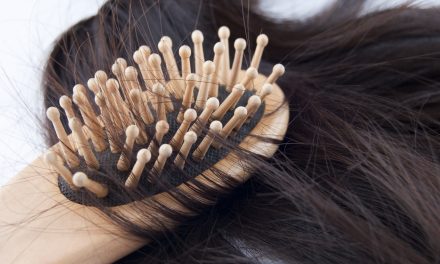
We recommend supporting your hair follicles and preventing early hair thinning through early diagnosis, good nutrition, gentle hair care, and treatment matched to the cause of your hair loss. These steps support healthy hair growth. Treatment for inherited thinning helps slow the shrinking of affected follicles.

“Strengthening” hair follicles means protecting their ability to produce healthy strands. Conditioner improves the hair above your scalp, while medical treatment addresses certain problems within the follicle. If your part is widening or your hairline is changing, we recommend arranging an evaluation while you adjust your daily routine.
Identify Whether You Have Shedding, Breakage, or Pattern Hair Loss
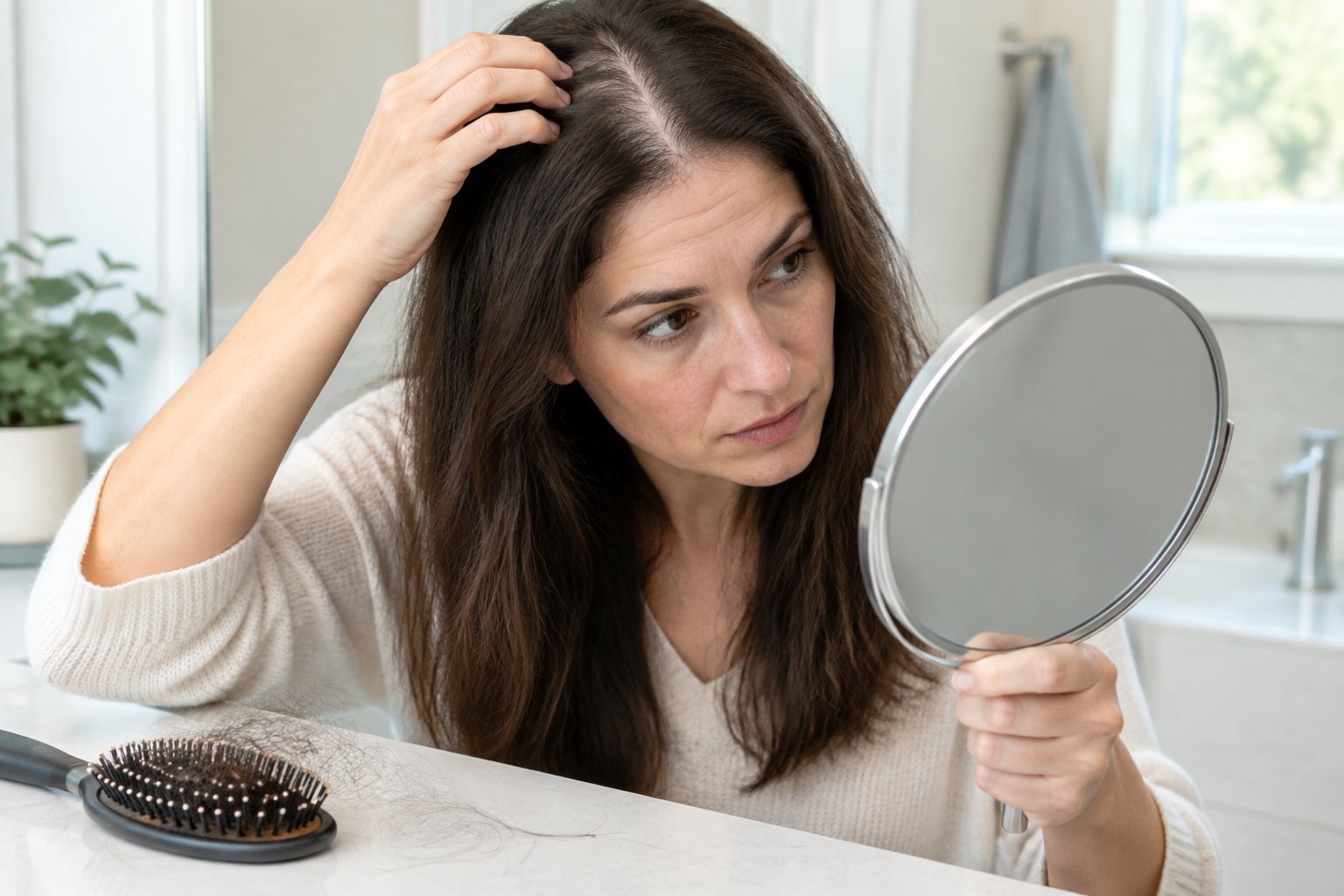
First, identify whether your hair fall involves whole strands, snapped hairs, or a gradual loss of density. We recommend looking at both the loose hairs and the pattern across your scalp.
- Shedding: Full-length strands come away from the scalp. Telogen effluvium causes widespread shedding after a trigger such as illness, childbirth, surgery, or major weight loss.
- Breakage: Short pieces and uneven lengths suggest damage along the hair shaft. Bleaching, heat, friction, and rough detangling are common contributors.
- Pattern hair loss: Androgenetic alopecia causes gradual thinning around the part, crown, temples, or hairline. Affected follicles produce finer strands over time.
- Patchy hair loss: Smooth, distinct bald patches suggest alopecia areata, an immune-related condition that needs medical assessment.
Several problems sometimes occur together. For example, someone with inherited thinning might also develop shedding after an illness.
Knowing why hair loss happens helps you avoid treating every change with the same product. Save a few representative loose hairs or take clear photos for your appointment. Appearance alone does not establish a diagnosis.
Get an Early Diagnosis Before Thinning Progresses
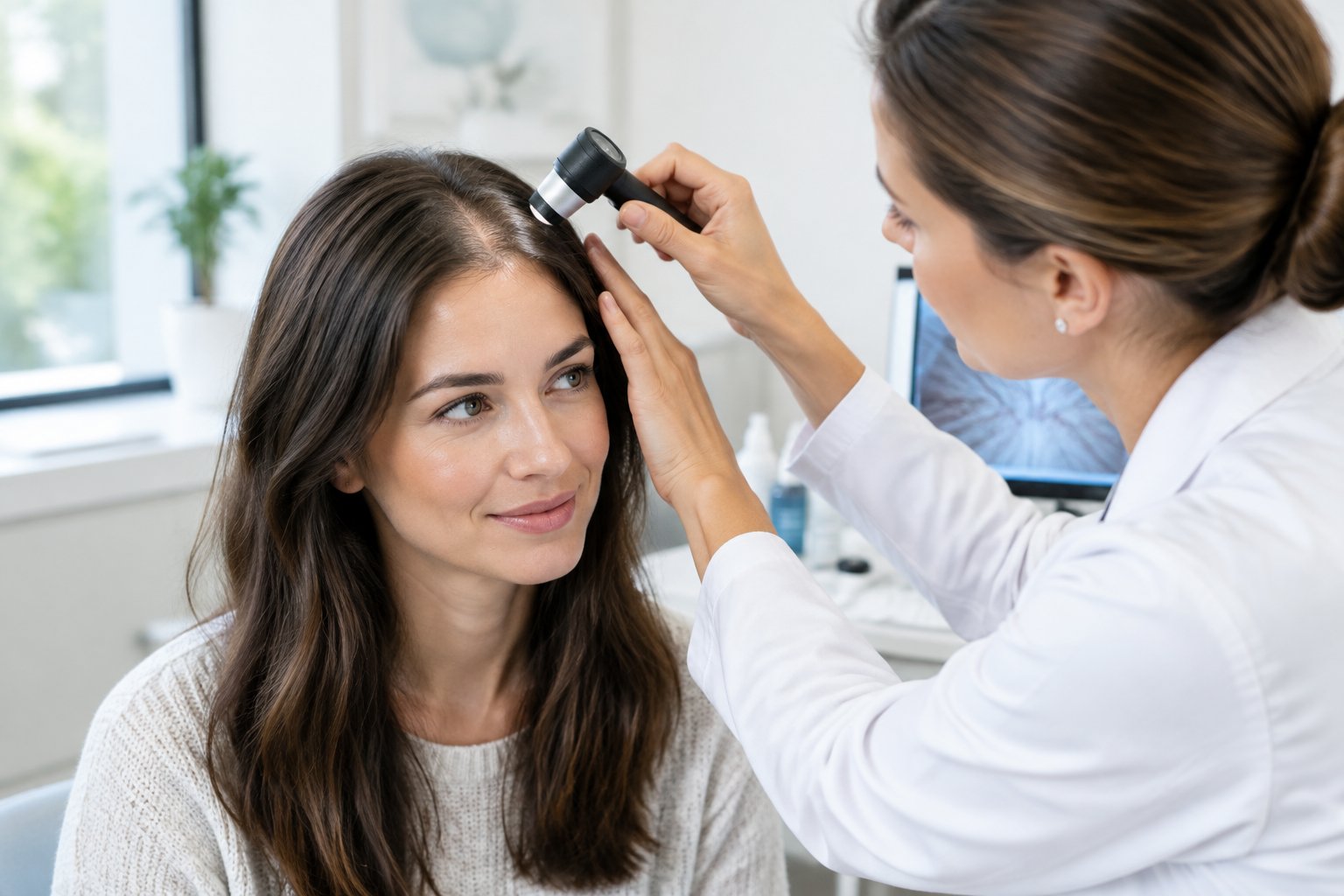
A dermatologist should assess persistent or visible hair thinning before it spreads. We recommend booking an appointment when you notice a widening part, receding hairline, or clear change in density.
Prepare a short history with the following details:
- When the change began and whether it was sudden.
- Recent illness, pregnancy, surgery, or weight changes.
- Medications and supplements, including recent changes.
- Family history and any scalp symptoms.
The examination checks hair thickness, scalp condition, and the pattern of hair loss. A clinician might use magnification or a gentle hair-pull test. They may also order targeted blood tests or a scalp biopsy if the diagnosis remains unclear.
Pattern hair loss involves progressive shrinking of hair follicles, so early treatment helps preserve existing hair. Testing should reflect your symptoms and medical history. Not everyone needs the same laboratory panel.
Seek prompt care for burning, pain, pus, heavy scaling, or shiny areas with missing follicle openings. These signs raise concern for inflammation or scarring. Hair loss can signal a medical condition that needs specific treatment.
Build a Balanced Diet That Supports Hair Growth
Eating enough gives your body the building blocks for healthy hair growth. We recommend regular meals that include protein and a variety of nutrient-rich foods.
Use these practical food choices:
- Protein: Eggs, fish, poultry, tofu, beans, or yogurt.
- Iron: Meat, lentils, beans, and fortified cereals.
- Zinc: Shellfish, meat, dairy foods, and legumes.
- Vitamin D: Fatty fish and fortified milk or plant-based drinks.
- Folate: Leafy greens, beans, and fortified grains. Folic acid is the form used in supplements and many fortified foods.
- Omega-3 fatty acids: Salmon, sardines, walnuts, chia seeds, and ground flaxseed.
Pair plant-based iron foods with vitamin C foods, such as peppers or citrus, to improve absorption. If you have iron deficiency, food choices that support iron intake complement the treatment your clinician prescribes.
Crash diets and inadequate protein intake increase the risk of shedding. A balanced diet supports normal growth, but inherited follicle changes still need their own treatment.
Check for Deficiencies Before Taking Hair Supplements
Hair supplements are most useful when they correct a documented deficiency. We recommend discussing your diet and risk factors with a dermatologist or primary care clinician before buying a hair-growth blend.
Depending on your history, testing might include a blood count, ferritin to assess iron stores, or vitamin D. Zinc and folate testing are more relevant if you have signs of poor intake, absorption problems, or other specific risks.
Evidence for routine nutrient supplements in people without deficiencies is limited. Collagen and omega-3 fatty acid supplements also lack strong evidence as stand-alone treatments for inherited thinning.
For safer hair-loss supplement choices, check the full ingredient label and avoid stacking products with the same nutrients. Excess vitamin A or selenium contributes to hair loss. Too much zinc interferes with copper balance.
Tell your clinician about biotin before blood testing because it can interfere with certain laboratory results. Iron, vitamin D, and folic acid doses should match a medical need. Taking extra does not guarantee hair regrowth.
Adjust Your Hair and Scalp Care to Reduce Damage
Gentle hair care reduces breakage and protects hair follicles from repeated pulling. We recommend making your routine easier on both the strands and the scalp.
- Wash as your scalp needs. Adjust frequency to oil, sweat, and buildup. Massage shampoo with your fingertips.
- Condition after washing. Focus on the lengths and ends to improve slip during detangling.
- Detangle in small sections. Start at the ends and work upward with fingers or a suitable comb.
- Lower heat exposure. Use the lowest effective setting and allow recovery time between chemical services.
- Loosen pulling styles. Pain, stinging, and bumps are warning signs that a style is too tight.
Repeated tension contributes to traction alopecia. It can become permanent when scarring develops. Heavy extensions and tight braids deserve particular attention if your hairline is thinning.
Scalp care also includes treating persistent dandruff or inflammation. If you have hair loss with an itchy scalp, seek an assessment if symptoms persist or include sores.
Washing releases strands that have already shed. Skipping needed cleansing does not keep those hairs growing.
Choose Evidence-Based Treatment for Your Type of Hair Loss
Treatment should target the diagnosed cause of your hair loss. We recommend discussing established options with a dermatologist before adding multiple products.
For androgenetic alopecia, topical minoxidil is a standard option. Available as Rogaine and generic products, it supports hair regrowth and slows thinning in suitable patients. Apply it to the scalp exactly as the label directs. Irritation, unwanted facial hair, and temporary early shedding are possible.
Finasteride (Propecia) is a prescription option approved for male-pattern hair loss. It lowers DHT, a hormone involved in follicle shrinking. Discuss sexual and mood-related side effects with your prescriber. People who are pregnant or might become pregnant should avoid handling crushed or broken tablets.
Oral minoxidil is prescribed off-label for hair loss. It requires medical screening because side effects include swelling, low blood pressure, palpitations, and unwanted body hair. Serious heart-related complications are also possible.
Alopecia areata needs an immune-focused plan, such as corticosteroid treatment or a JAK inhibitor for eligible patients with severe disease. Telogen effluvium calls for identifying and addressing its trigger.
When deciding which hair-loss treatment fits your needs, consider pregnancy plans, medical conditions, and your ability to follow the schedule. Ask about pregnancy and breastfeeding safety before starting any medication.
Weigh the Evidence Before Trying Oils, Massage, or Devices
Oils and massage have a limited role in treating follicle-related hair loss. We consider them optional additions for comfort or hair conditioning if they suit your scalp.
Some oils improve lubrication along the hair shaft and reduce friction. Evidence for rosemary oil as a hair regrowth treatment remains limited. Essential oils can irritate the skin or cause an allergy, so avoid applying them undiluted to your scalp.
Gentle massage feels relaxing, but reliable evidence that it reverses shrinking hair follicles is weak. Stop if rubbing increases soreness, tangling, or breakage.
Low-level light devices have better clinical support for pattern hair loss than scalp massage. Some devices are FDA-cleared, though results and treatment schedules vary by model.
Before purchasing a device, ask about evidence for that specific model and the time commitment required. We recommend judging hair-loss treatment claims by meaningful changes in hair density, treatment safety, and how long the benefits were followed.
Address Stress and Recovery Habits That Can Affect Shedding
Recovery from illness or major stress helps resolve shedding when that event triggered telogen effluvium. We recommend supporting recovery while a clinician checks for other contributors.
Physical stress includes surgery, fever, childbirth, and rapid weight loss. Emotional stress can also contribute to hair loss in some people, with shedding appearing after a delay.
Cortisol is part of the body’s stress response, but a hair change alone does not prove that your cortisol level is abnormal. Commercial “cortisol blockers” are not an established treatment for this problem.
To support recovery:
- Keep a regular sleep schedule.
- Eat enough during periods of illness or heavy demands.
- Choose manageable physical activity.
- Seek counseling or other support when distress affects daily life.
The connection between stress and hair loss deserves attention, but not every episode is stress-related. Review possible medication triggers with your prescriber, and continue prescribed medicines until you receive medical advice.
Track Progress and Know When to Reassess Treatment
Consistent photos and planned follow-ups give you a useful record of thinning and regrowth. We recommend taking baseline photos before treatment begins.
Photograph your part, temples, hairline, and crown under the same lighting. Keep your hair equally dry and use the same part placement each time.
Repeat photos monthly and record missed applications, side effects, and changes in shedding. Daily strand counting is difficult to interpret because washing and styling schedules affect what you notice.
Minoxidil needs at least six months to assess early regrowth and slowing of loss. Continued use is needed to retain its benefits, so discuss expectations before starting.
Whether hair loss is reversible depends partly on the cause and whether follicles remain capable of growth. Stable density is also a useful treatment outcome in a progressive condition.
Arrange an earlier review for new bald patches, worsening inflammation, or unexpected shedding. Stop treatment and seek urgent care for chest pain, fainting, breathing difficulty, or sudden swelling.
Protect Your Hair Early With Consistent, Targeted Care
Early evaluation and a sustainable routine help you manage hair thinning. We recommend starting with a diagnosis, correcting nutritional shortfalls, and reducing damaging hair care practices.
Healthy hair growth takes time, and inherited thinning requires ongoing management. Take baseline photos, choose treatment with your clinician, and schedule a follow-up before leaving the appointment.
Frequently Asked Questions
Does a white bulb on a shed hair mean the follicle came out?
A small white club at the end of a shed hair is part of the strand. The hair follicle remains within your skin. We recommend assessing changes in density and shedding patterns without using the bulb alone to judge follicle health.
Will shaving make thinning hair grow back thicker?
Shaving changes the exposed hair shaft but does not change the follicle’s size or growth cycle. We consider it a styling choice. The blunt ends explain why new stubble feels coarser.
Should you take vitamin D if your blood level is normal?
Extra vitamin D has no established hair regrowth benefit when your level is adequate. We recommend using supplements for a defined nutritional or medical need because excessive intake causes harm.
Does androgenetic alopecia come only from your mother’s family?
Androgenetic alopecia involves inherited factors from both sides of your family. During an evaluation, share hair-loss history from your maternal and paternal relatives. Their hair patterns do not predict your exact outcome.