
We recommend designing a daily low-glycemic meal plan for type 2 diabetes around lower-GI carbohydrates, balanced plate portions, regular meals, and glucose checks guided by your care team. Start with foods such as beans, lentils, coarse oats, and whole fruit. Then match the amount you eat to your treatment plan.
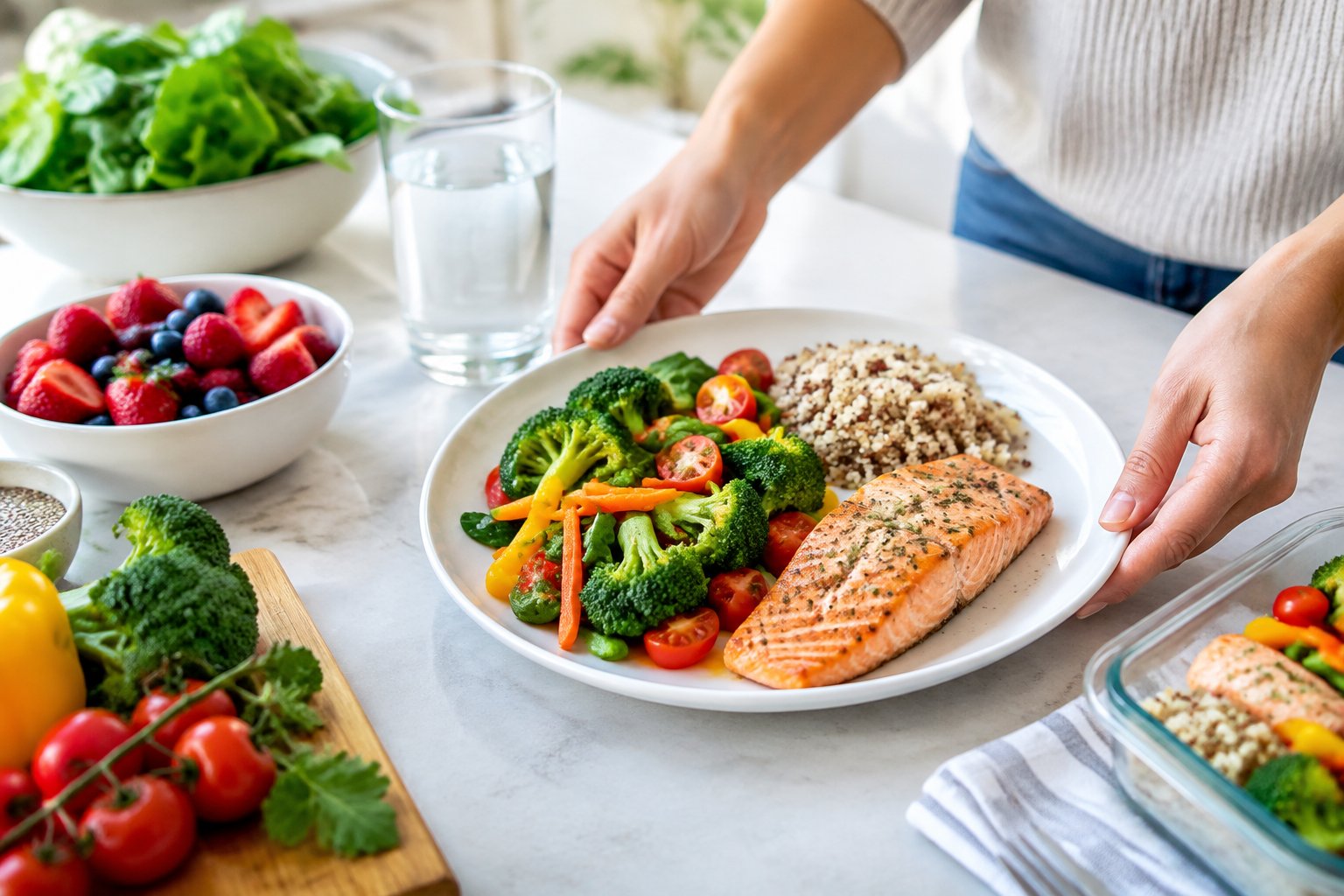
A food’s glycemic index offers useful guidance, but your portion and the rest of your meal also affect blood sugar. Our approach combines those factors into a practical daily routine. If you use insulin or medicines that cause low blood sugar, discuss changes to carbohydrate intake or meal timing with your clinician before starting.
Step 1: Set Meal-Planning Goals With Your Care Team

Your care team should help set glucose goals and food portions that fit your medicines and health needs. We recommend asking for a referral to a registered dietitian who works with people living with type 2 diabetes.
Bring a record of your usual meals and any glucose readings you already collect. Include your medicine schedule, food budget, work hours, and cultural food preferences.

Before changing your meals, ask:
- What carbohydrate amount or plate portions should you start with?
- Which medicines require food at specific times?
- When should you check glucose?
- Do kidney disease, digestive problems, or other conditions change your food choices?
If weight loss is part of your care plan, ask how to pursue it safely. Weight loss can lower blood sugar, which makes medication follow-up important.
People with prediabetes also benefit from individualized nutrition support. Their goals for preventing type 2 diabetes differ from treatment goals after diagnosis.
Step 2: Choose Lower-Glycemic Carbohydrates Without Relying on GI Alone
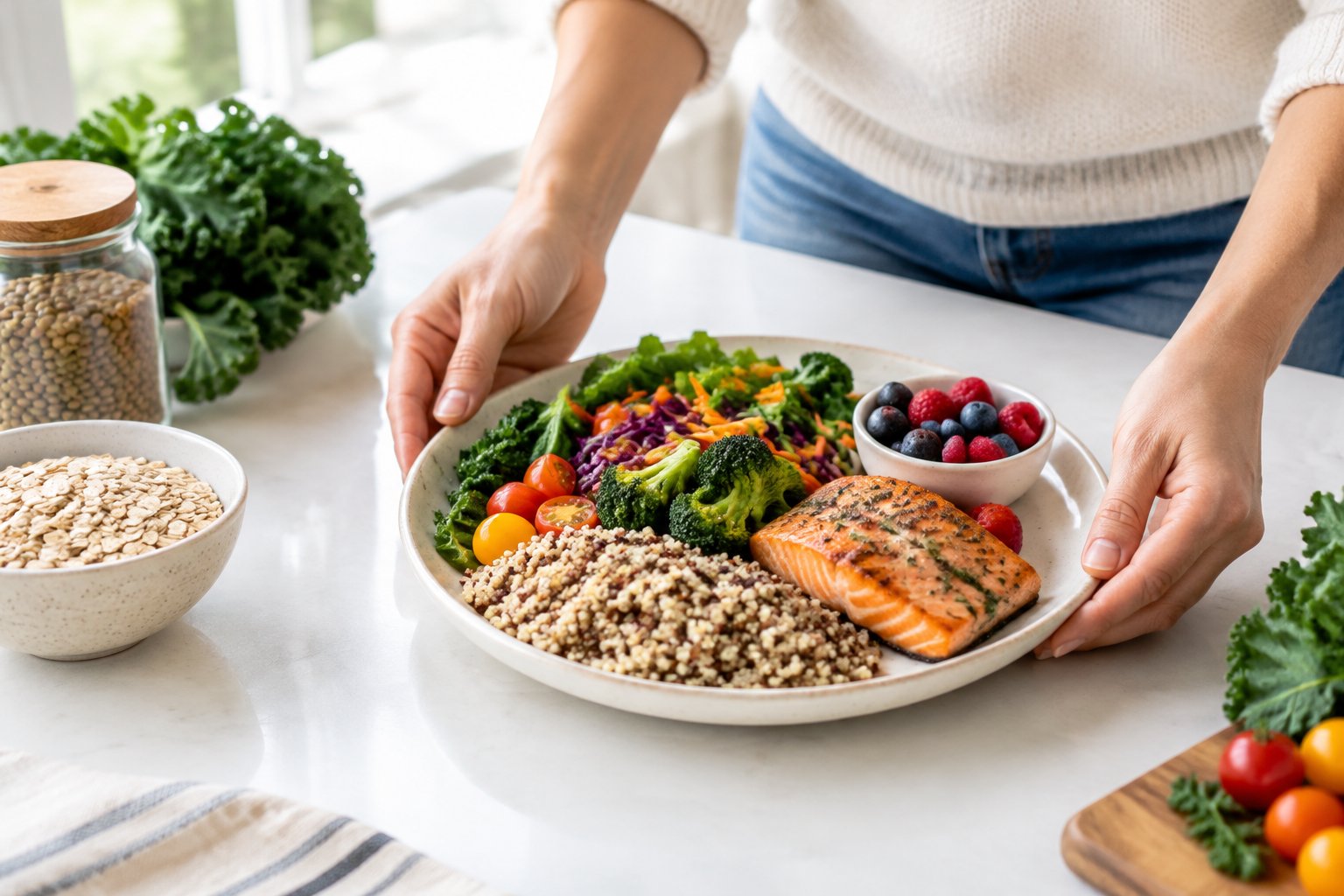
Choose fiber-rich carbohydrate foods and use glycemic index as an extra filter. We favor legumes, coarse oats, intact whole grains, and whole fruit as practical starting choices.
GI compares how carbohydrate foods affect blood glucose under standard test conditions. Low-GI foods have values of 55 or below. Glycemic load also accounts for the carbohydrate amount in a portion.
Useful choices include:
- Lentils, chickpeas, and beans.
- Steel-cut oats or barley.
- Apples, pears, and berries.
- Plain, unsweetened yogurt.
Check the food’s form as well as its name. Finely ground whole-grain bread does not necessarily produce the same glucose response as an intact grain. Cooking, ripeness, and processing also affect GI.
Keep portions within your personal plan, even when a food has a low GI. Adding protein or fat changes digestion, but it does not remove the carbohydrate in the meal.
Step 3: Build Balanced Meals With the Diabetes Plate
We recommend the diabetes plate as a visual starting point for lunch and dinner. It gives vegetables plenty of space while keeping carbohydrate portions visible.
Put the plate method into practice with:
- Non-starchy vegetables: Broccoli, cabbage, salad greens, green beans, or zucchini.
- Lean protein: Fish, skinless poultry, eggs, or tofu.
- Carbohydrate foods: Beans, lentils, whole grains, potatoes, or other planned starches.
- Healthy fats: Olive oil, avocado, nuts, or seeds in portions that fit your energy needs.
Choose water or unsweetened tea with the meal. Fruit, milk, and yogurt also contribute carbohydrates, so include them in your meal total when you add them.
Beans and lentils supply both protein and carbohydrate. For a plant-based plate, keep their carbohydrate contribution in view when adding rice or bread.
Step 4: Match Carbohydrate Portions to Your Individual Needs
Your starting carbohydrate portions should come from your care plan and usual eating pattern. We recommend agreeing on how many carbs to eat per meal with type 2 diabetes with your registered dietitian.
Use the Nutrition Facts label in this order:
- Find the serving size.
- Compare it with the portion you plan to eat.
- Read total carbohydrate.
- Adjust the label amount to match your portion.
- Check fiber and added sugars when comparing similar products.
Added sugars are already included in total carbohydrate, so counting them again overstates the total.
A label serving describes the amount used for nutrition information. Your prescribed portion might differ. Measure familiar staples during your first planning days so you recognize your intended amount.
If you use mealtime insulin, follow the carbohydrate-counting and dosing method your diabetes team has taught you. Keep medication changes with your prescribing clinician.
Step 5: Assemble Breakfast, Lunch, and Dinner
Build each meal around a protein source, vegetables or whole fruit, and a planned carbohydrate portion. Our meal choices below offer variety without requiring specialty diabetes foods.
Breakfast: Pair plain Greek yogurt with berries and coarse oats that fit your carbohydrate plan. For a savory option, choose a tofu scramble with vegetables and a planned portion of whole-grain toast.
Lunch: Combine leafy greens and crunchy vegetables with chicken or tofu. Add lentils or another measured carbohydrate food, then dress with olive oil and lemon.
Dinner: Choose fish or tofu with non-starchy vegetables and a portion of barley. Turkey chili with beans also works when you account for the legumes and any grain, bread, or corn served alongside it.
Treat mixed dishes as complete combinations when planning portions. Chili already contains carbohydrate from beans, so adding several starch sides changes the meal substantially. Choose the side after checking what is already in the main dish.
Step 6: Plan Meal Timing and Optional Snacks
Set regular meal times that fit your medicine schedule and daily routine. We recommend planning around your real workday, including breaks and travel time.
If you take insulin or a sulfonylurea, ask your clinician what to do when a meal is delayed or your appetite is low. Skipping food after taking certain medicines increases the risk of hypoglycemia.
Snacks are optional unless your treatment plan calls for them. If you’re hungry between meals, choose a combination of protein, fiber, or healthy fats. Options include fruit with nuts, vegetables with hummus, or apple slices with nut butter.
Count snack carbohydrates if your care plan requires it. A bedtime snack should have a clear purpose based on your overnight glucose pattern and treatment needs.
As part of stabilizing blood sugar levels, keep a backup meal available for unexpected delays. Treat a low glucose reading promptly using your prescribed hypoglycemia plan.
Step 7: Put Your Choices Into a Sample Daily Menu
Our sample daily menu turns the food choices into a repeatable schedule. Use your personal carbohydrate target to set the serving size for each carbohydrate-containing food.
| Meal | Sample menu | Portion checkpoint |
|---|---|---|
| Breakfast | Plain Greek yogurt, berries, coarse oats, and walnuts | Include yogurt, fruit, and oats in the carbohydrate total |
| Lunch | Chicken or tofu salad with lentils and olive oil dressing | Keep vegetables prominent; portion the lentils |
| Dinner | Baked fish, broccoli, and barley | Use the diabetes plate proportions |
| Optional snack | Apple slices with unsweetened nut butter | Match the fruit portion to your snack plan |
This menu is a template, not a prescribed calorie or carbohydrate allowance. Its mixed meals have no assigned GI score because ingredients and preparation affect the result.
In your meal planner, record the actual amount you intend to eat. Add the carbohydrate total if you count grams, plus a substitution for foods you cannot buy that week.
We suggest keeping the same breakfast initially if it suits you. That reduces preparation work and makes portion tracking easier.
Step 8: Shop and Prep for Repeatable Meals
Prepare flexible meal components so you have balanced options ready on busy days. We recommend turning your meal planner into a shopping list before buying groceries.
Group the list by food type:
- Non-starchy vegetables: Fresh greens, cabbage, carrots, and plain frozen vegetables.
- Protein foods: Tofu, eggs, fish, poultry, or plain Greek yogurt.
- Carbohydrate staples: Beans, lentils, coarse oats, barley, and whole fruit.
- Flavor additions: Herbs, spices, olive oil, lemon, and unsweetened nut butter.
For meal prep, wash produce and cook a grain or legume you plan to use. Prepare protein foods separately so you can combine them in different meals.
Store carbohydrate foods in containers that make your chosen portions easy to recognize. Keep dressings separate and label cooked food with the preparation date.
Refrigerate cooked food promptly and freeze portions you will not eat soon. A backup such as frozen vegetables, canned beans, and a suitable protein helps keep daily type 2 diabetes management workable when plans change.
Step 9: Use Your Glucose Response to Adjust the Plan Safely
Use repeated glucose patterns to decide whether your food portions need adjustment. We recommend reviewing those patterns with your registered dietitian or diabetes clinician.
Follow your care team’s instructions for glucose checks or continuous glucose monitor use. Record:
- Meal time and food amounts.
- Medicines taken as prescribed.
- Glucose readings at the agreed times.
- Activity, poor sleep, illness, or unusual stress.
- Hunger or symptoms after eating.
When a meal repeatedly pushes glucose beyond your target, review its carbohydrate portion and drinks first. Check sauces and toppings too, since these are easy to overlook.
With your care team’s approval, change a single food feature at a time. For example, adjust the grain portion while keeping the rest of the meal similar.
Persistent highs or repeated lows need clinical review. Nutrition works alongside diabetes treatments, and your clinician should direct medication adjustments. Seek urgent help for severe symptoms, confusion, or an inability to treat a low safely.
Frequently Asked Questions
Do you need to calculate the glycemic index of every meal?
We recommend using GI to guide carbohydrate choices without calculating a score for every mixed meal. Portions and your glucose response provide more useful daily feedback than an estimated meal score.
Are all whole grains low glycemic?
Whole grains have different glycemic effects depending on their structure and processing. We favor intact or coarsely processed choices, such as barley and steel-cut oats, while keeping portions within your plan.
Is the serving size on a label the amount you should eat?
The label serving size is the amount used to calculate its nutrition facts. We recommend matching your actual portion to your care plan, then adjusting the listed carbohydrate amount to reflect what you eat.
Can you use the same meal planner every week?
A repeating meal planner works if its portions and foods meet your needs. We suggest rotating vegetables and protein choices while keeping carbohydrate amounts consistent with your type 2 diabetes care plan.