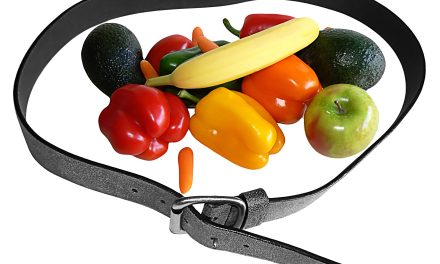

You reduce belly fat through a manageable calorie deficit, regular walking, and strength training, with sleep and stress care supporting your progress. Targeted exercises strengthen your abdominal muscles, but you cannot choose where your body burns fat.

As you lose belly fat, you also reduce fat elsewhere in your body. Your genetics, age, and hormones influence where those changes show first. You might notice better stamina or looser clothing before a clear change in your stomach fat.
Key Takeaways on How to Reduce Belly Fat
- Build satisfying meals around protein and fiber.
- Pair regular walking with gradual resistance training.
- Track your waist and health alongside your weight.
Which Dietary Changes Support Abdominal Fat Loss?
Your most useful dietary changes create a modest calorie deficit while keeping your meals satisfying. A calorie deficit means you take in less energy than your body uses over time, which supports abdominal fat loss.
You can build a balanced diet with a simple plate pattern: fill about half your plate with vegetables, one-quarter with lean protein, and one-quarter with whole grains or another starchy food. Add fruit and a modest portion of healthy fats, such as olive oil or nuts, across your day.
Give your healthy diet a practical starting point:
- Include protein at each meal. Choose fish, chicken, eggs, tofu, beans, or plain Greek yogurt to support fullness and muscle.
- Increase fiber gradually. Add oats, lentils, whole grains, and fruits and vegetables. Drink enough water as your fiber intake rises.
- Reduce liquid calories. Replace a daily soda or sweetened coffee with water, sparkling water, or unsweetened tea.
- Adjust frequent extras. Use smaller portions of sugary foods and check labels for added sugar.
You can keep convenient processed foods such as frozen vegetables and canned beans. Focus your changes on foods that add substantial calories while leaving you hungry soon afterward.
Begin with one adjustment you can repeat for two weeks. If you feel constantly hungry or drained, your eating plan needs adjustment.
What Exercise Helps Reduce Belly Fat?

You support visceral fat loss by combining aerobic exercise with strength training. Regular movement also improves your fitness and metabolic health, even when your scale changes slowly.
Start walking for 10 minutes on five days each week at a pace that feels manageable. Gradually add time, working toward at least 150 minutes of moderate-intensity aerobic exercise per week. At moderate intensity, you can talk but would struggle to sing.
Add resistance training on two nonconsecutive days. A beginner session might include:
- Chair sit-to-stands.
- Wall or counter push-ups.
- Resistance-band rows.
- Low step-ups with a stable support nearby.
Begin with one set of 8–12 controlled repetitions per exercise. When that feels comfortable, add a second set or slightly increase resistance. Your last few repetitions should feel challenging while your form stays steady.
Strength training helps preserve muscle mass during weight loss. Muscle uses energy at rest, though the resulting change in your resting metabolism is modest.
You can include planks or Pilates to strengthen your core muscles and support movement. For cardio exercise, high-intensity interval training (HIIT) is optional; brisk walking gives you a more accessible starting point. If you have heart disease, significant joint pain, or balance problems, discuss suitable exercise with your clinician.
How Do Sleep and Stress Affect Your Progress to Reduce Belly Fat?

Your sleep and stress levels affect hunger, energy, and how easily you follow your weight-management habits. Short sleep makes appetite regulation harder and leaves you with less energy for physical activity.
Aim for seven to nine hours of sleep each night. Keep your wake-up time consistent, allow a quiet wind-down period, and make your bedroom dark and comfortable. If afternoon caffeine keeps you awake, move your last serving earlier.
Chronic stress may influence eating patterns and abdominal fat storage through several pathways, including cortisol. Your cortisol is a normal, essential hormone, and your belly shape cannot tell you whether its level is abnormal.
Give yourself a small, repeatable way to ease stress: spend five minutes breathing slowly, take a quiet walk, or talk with someone you trust. If stress leads you to skip meals and become intensely hungry later, a regular meal schedule offers a useful starting point.
Ask your clinician about persistent insomnia, loud snoring, or daytime sleepiness. Treating a sleep problem supports your health and makes weight loss efforts easier to manage.
How Can You Track Progress and Know When to Seek Help?
You get a fuller picture of progress by tracking your waist circumference, strength, and health markers alongside your weight. Your waist indicates health risks; it does not directly measure visceral fat around your organs or separate it from subcutaneous fat beneath your skin.
Measure your waist every two to four weeks with a level tape just above your hip bones. Relax, breathe out normally, and keep the tape snug without pressing into your skin. Use the same method each time.
In US screening guidance, a waist above 35 inches for women or 40 inches for men signals higher risk. Your clinician should interpret those numbers alongside your ethnicity and medical history. Your waist-to-hip ratio offers another screening measure, while body mass index (BMI) provides limited information about body composition.
Excess visceral fat raises your risk of insulin resistance, type 2 diabetes, heart disease, and fatty liver disease. At routine visits, review your blood sugar, blood pressure, and cholesterol, especially if you have high blood pressure or a family history of metabolic disease.
If your progress stalls despite steady habits, a registered dietitian can help adjust your plan. Seek medical assessment for rapid, unexplained abdominal enlargement or persistent pain.
For eligible adults, prescription treatment is another option. Ozempic contains semaglutide and is approved for type 2 diabetes, with additional indications for certain adults with diabetes. Wegovy is a semaglutide product approved for long-term weight management in eligible patients; prescribing requires a review of benefits, risks, and medical history.
Build Habits You Can Maintain
You support a healthy weight by repeating manageable habits and adjusting them gradually. A healthy diet and regular exercise form the foundation, while adequate sleep helps you follow through.
Choose one food adjustment and a short walking routine that fit your current schedule. Add resistance training as your routine becomes familiar, then review your waist measurements and fitness every few weeks. For long-term weight management, keep the habits you can carry through busy weeks and revise those that leave you overly hungry, exhausted, or in pain.
Frequently Asked Questions
Your belly fat goals benefit from realistic timelines and clear expectations about popular shortcuts. Use these answers when weighing claims about fast weight loss.
Can you lose belly fat in seven days?
You cannot expect a predictable, lasting reduction in belly fat within seven days. Early changes in your weight or waist often reflect water, digestion, and bloating; assess your progress across several weeks.
Do fat-burning drinks work?
You should expect no special belly-fat-burning effect from detox teas or similar drinks. Replacing sugary drinks with unsweetened options lowers your calorie intake, while laxative teas carry risks such as dehydration.
Do you need to fast to lose abdominal fat?
You can lose abdominal fat with a regular meal schedule that supports a calorie deficit. If you use insulin or medicines that cause low blood sugar, discuss fasting with your clinician before changing meal timing.
Should you exercise through soreness?
You can continue gentle walking with mild muscle soreness, while giving sore muscles time to recover before another demanding strength-training session. Sharp pain, swelling, or pain that changes how you move calls for stopping the activity and getting medical advice.