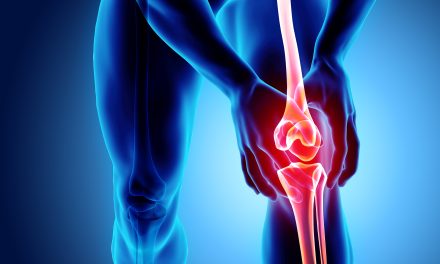

You can improve joint health and reduce arthritis pain with regular low-impact movement, muscle-strengthening exercises, a healthy diet, and protection against joint injury. These habits support healthy joints and help lower your risk of osteoarthritis, though you cannot prevent every form of arthritis.

If stiffness makes movement uncomfortable, begin with a few minutes at a time. When you already have arthritis, your exercise plan should work alongside medical treatment, with adjustments for your pain and physical limits.
Which Exercises Keep Joints Strong and Flexible?
You support your joints best by combining low-impact exercise with strength training and gentle mobility work. Add balance practice to help you move with greater control.
Movement helps circulate synovial fluid, which lubricates your joints and carries nutrients to cartilage. You support cartilage function through activity, but exercise does not regrow lost cartilage.
Try these achievable starting points:
- Aerobic exercise: Begin with five to 10 minutes of walking, swimming, or bicycling at a comfortable pace. Add a few minutes as your tolerance improves, working toward 150 minutes of moderate activity each week.
- Strength training: On two days each week, try supported chair stands, wall push-ups, or resistance-band rows. Start with a small number of controlled repetitions. With weight training, increase resistance only when your current load feels manageable.
- Range-of-motion exercises: Gently bend and straighten your joints within a comfortable range of motion. Pair this with daily stretching for arthritis stiffness after warming up.
- Balance work: Try adapted yoga or tai chi, using a chair or wall for support when needed.
Stop if you develop sharp pain or new swelling. If your joint pain remains worse the next day, shorten your next session and reduce its intensity. A physical therapist can tailor movements to your limits.
How Does Weight Management Reduce Joint Strain?

If you carry excess weight, gradual weight loss reduces pressure on weight-bearing joints such as your knees and hips. This is one reason weight loss supports joint health when it is appropriate for your health needs.
With osteoarthritis, weight management helps reduce pain and improve function. Your body weight also affects metabolic processes linked to inflammation, so joint strain involves more than pressure alone.
You do not need a universal target or a restrictive diet. If you are already at a healthy weight, focus on maintaining it and preserving muscle.
If weight loss feels difficult, account for pain, sleep problems, medications, and limits on activity. Your clinician or registered dietitian can help you choose a realistic approach that protects your nutrition and strength.
What Should You Eat to Support Your Joints?

Your joints benefit from a healthy diet built around vegetables, fruit, whole grains, beans, fish, and unsaturated fats. A Mediterranean-style eating pattern may help reduce inflammation while supporting your heart health.
Give these nutrients a regular place in your meals:
- Protein: Include beans, tofu, eggs, fish, or lean meat to help maintain the muscles supporting your joints.
- Calcium: Choose yogurt, milk, fortified plant beverages, or calcium-set tofu to support your bones.
- Vitamin C: Eat bell peppers, citrus fruit, strawberries, or broccoli. Your body needs vitamin C to make collagen, a structural protein in cartilage.
- Omega-3 fats: Include fatty fish such as salmon or sardines if they fit your diet.
You can keep nutritious foods such as tomatoes and peppers unless you have a specific reason to avoid them. Broad food bans add restrictions without established benefits for arthritis.
Before choosing supplements for arthritis, review your medications and nutritional needs with your clinician or pharmacist. Supplements do not cure arthritis, and some interact with medicines.
Protect Your Joints and Know When to Seek Care
You protect your joints by reducing injury risks and getting persistent joint pain assessed early. A previous joint injury increases your risk of osteoarthritis.
Warm up before exercise and increase activity gradually. During lifting, keep loads close to your body and divide heavy items into smaller loads. Break up repetitive tasks, especially when your grip or posture starts to change from fatigue.
Arrange an assessment if your arthritis symptoms persist, keep returning, or interfere with everyday tasks. Tell your clinician about swelling, warmth, and how long morning stiffness lasts.
If you notice prolonged morning stiffness or swelling in matching joints on both sides of your body, ask about rheumatoid arthritis. With this autoimmune condition, your immune system attacks joint tissue; early treatment helps limit damage.
Seek urgent care if you develop a suddenly hot, swollen joint, especially with fever or feeling unwell. After an injury, get prompt help if your joint looks deformed, you cannot use it or bear weight, or you have severe pain or sudden swelling.
Make Joint-Friendly Habits Part of Everyday Life to Reduce Arthritis Pain
You support long-term joint health through manageable habits you can repeat. Keep gentle movement in your day and build strength at a pace your symptoms allow.
To support healthy joints, start with a short walk or water exercise session, then add comfortable mobility work. Adjust your activity when pain increases, and keep medical care part of your plan when symptoms persist.
Frequently Asked Questions
How can you get quick relief from mild joint pain?
For mild joint pain, you can try a wrapped cold pack for 15 to 20 minutes, especially after activity-related swelling. Gentle warmth helps ease stiffness; protect your skin and avoid heat on a hot, swollen joint.
What Can You Do to Relieve Arthritis Pain When Joint Pain Keeps You Awake?
You can try supporting the painful joint with pillows and keeping a regular sleep schedule. If pain repeatedly interrupts your sleep, discuss it with your clinician so your treatment and possible sleep problems receive attention.
Can You Reduce Arthritis Pain Through Exercise or Food?
You cannot cure osteoarthritis or rheumatoid arthritis through exercise, food, or supplements. Your lifestyle habits support symptom control and function alongside treatment chosen for your type of arthritis.