You can relieve mild seasonal allergies naturally and safely with saline nasal rinses made with safe water and daily habits that reduce your exposure to pollen. These measures may ease congestion and sneezing, but they do not provide an instant or permanent cure.
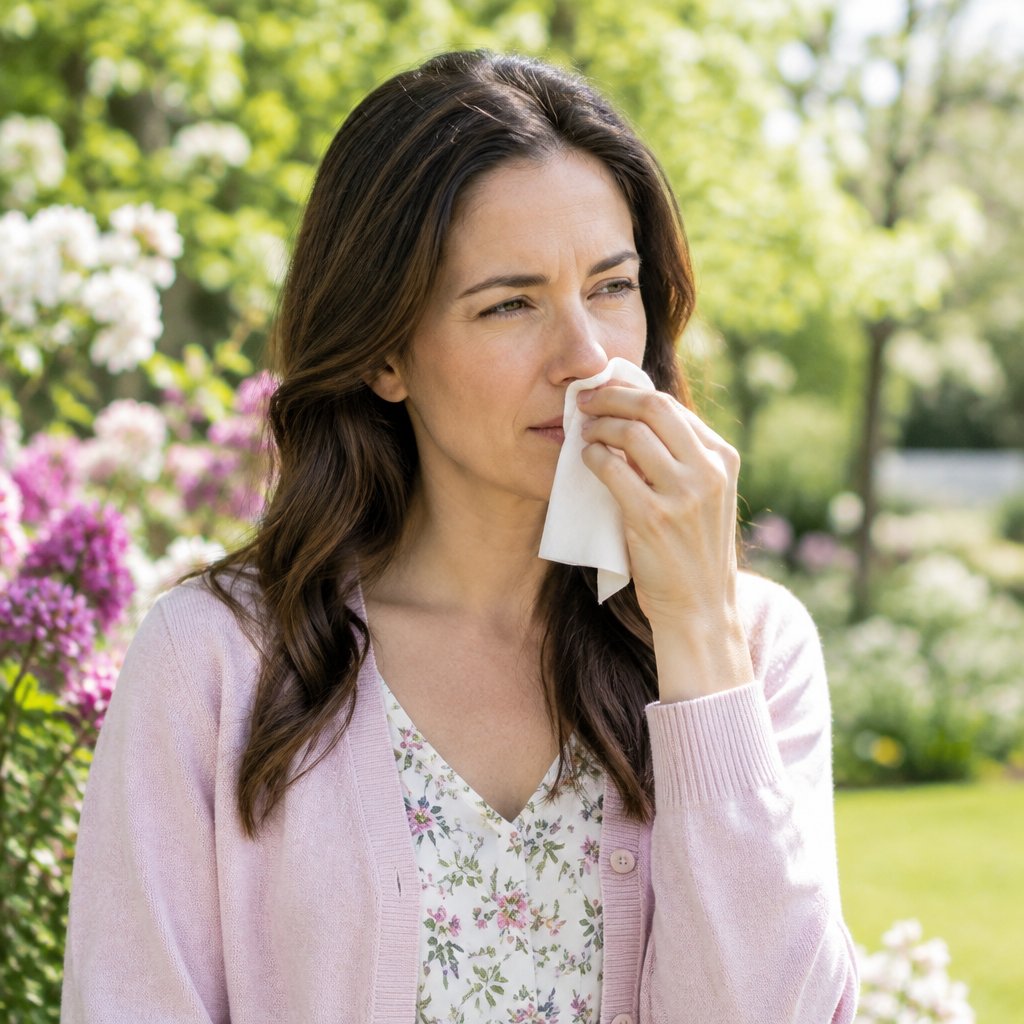
Your seasonal allergies, also called allergic rhinitis or hay fever, start when your immune system reacts to allergens. Histamine and other chemicals then cause allergy symptoms such as itching, a runny nose, and watery eyes.
For natural allergy relief, start with home remedies for seasonal allergies that have useful evidence and clear safety steps. Try a manageable change today, such as keeping pollen out of your bedroom, and ask your pharmacist or clinician for help if symptoms keep disrupting your day.
Key Takeaways
- Use safe water and a clean device for every nasal rinse.
- Reduce your exposure to the allergens that trigger your symptoms.
- Add proven treatment when home care leaves you uncomfortable.
How Can Saline Nasal Rinses Ease Symptoms Safely?
With nasal irrigation, you flush pollen and mucus from your nasal passages using a saline solution. A saline nasal rinse may modestly reduce your seasonal allergy symptoms.
Your water choice is the most important safety step. Use water labeled distilled or sterile, or tap water that you have boiled and cooled. If you prepare tap water, use a rolling boil for 1 minute, or 3 minutes above 6,500 feet, then let it cool to lukewarm.
To use a neti pot or squeeze bottle:
- Wash your hands and check that your device is clean.
- Mix a commercial saline packet with the exact amount of safe water listed on its label. Plain water irritates your nose.
- Lean over a sink, tilt your head sideways, and breathe through your mouth.
- Let the solution flow gently through your nose, following the device instructions. Repeat on the other side.
- Wash your device as directed and let it dry completely between uses. Keep it for your own use.
Avoid forcing liquid through a completely blocked nose. Stop if you develop pain or nosebleeds, and ask your clinician before rinsing if you have a weakened immune system or recent nasal surgery.
Seek immediate medical care for headache, fever, confusion, or vomiting after a rinse.
Reduce Pollen Exposure and Control Indoor Allergens
You reduce your daily allergen exposure by keeping pollen outside and targeting the indoor allergens that affect you. Match your cleaning routine to your allergy triggers so you spend effort where it helps.
For pollen allergies, check local counts before outdoor activities. Ragweed and other pollens peak at different times depending on your location and weather, so use current conditions to plan.
- After outdoor time: Change your clothes and wash pollen from your skin and hair before bed.
- Around your home: Close windows during high-pollen periods and avoid drying bedding outdoors.
- For dust mites: Use allergen-proof mattress and pillow covers, wash bedding regularly, and damp-dust surfaces.
- For pet dander: Keep pets out of your bedroom if you are sensitive to them.
- For mold: Fix leaks and control moisture. Keeping your indoor humidity between 30% and 50% helps limit mold growth.
If your allergies are worse at night, start with your sleeping space.
An air purifier with a HEPA filter captures airborne particles, including pollen and mold spores. Choose a clean air delivery rate suited to your room and replace filters as directed. Your symptom improvement from HEPA filtration may be small, and filtration does not fix a moisture problem or remove allergens already settled in bedding. Avoid ozone-producing devices because ozone irritates your lungs.
Which Foods, Supplements, and Lifestyle Changes Actually Help?
You support your health with balanced meals, adequate sleep, and stress management, while the evidence for allergy supplements remains limited. Treat claims about natural remedies for allergies cautiously.
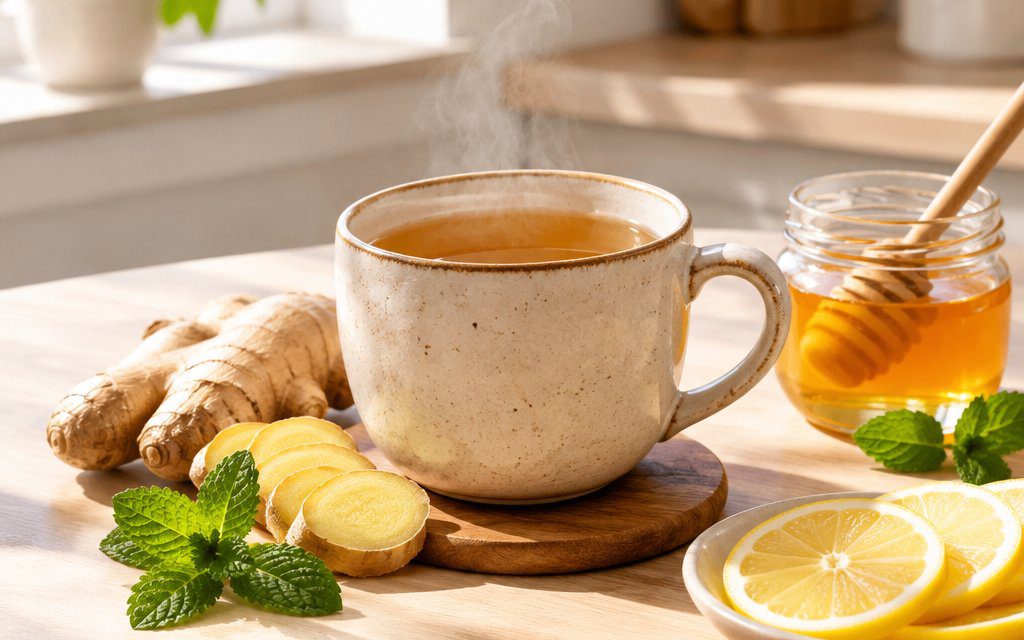
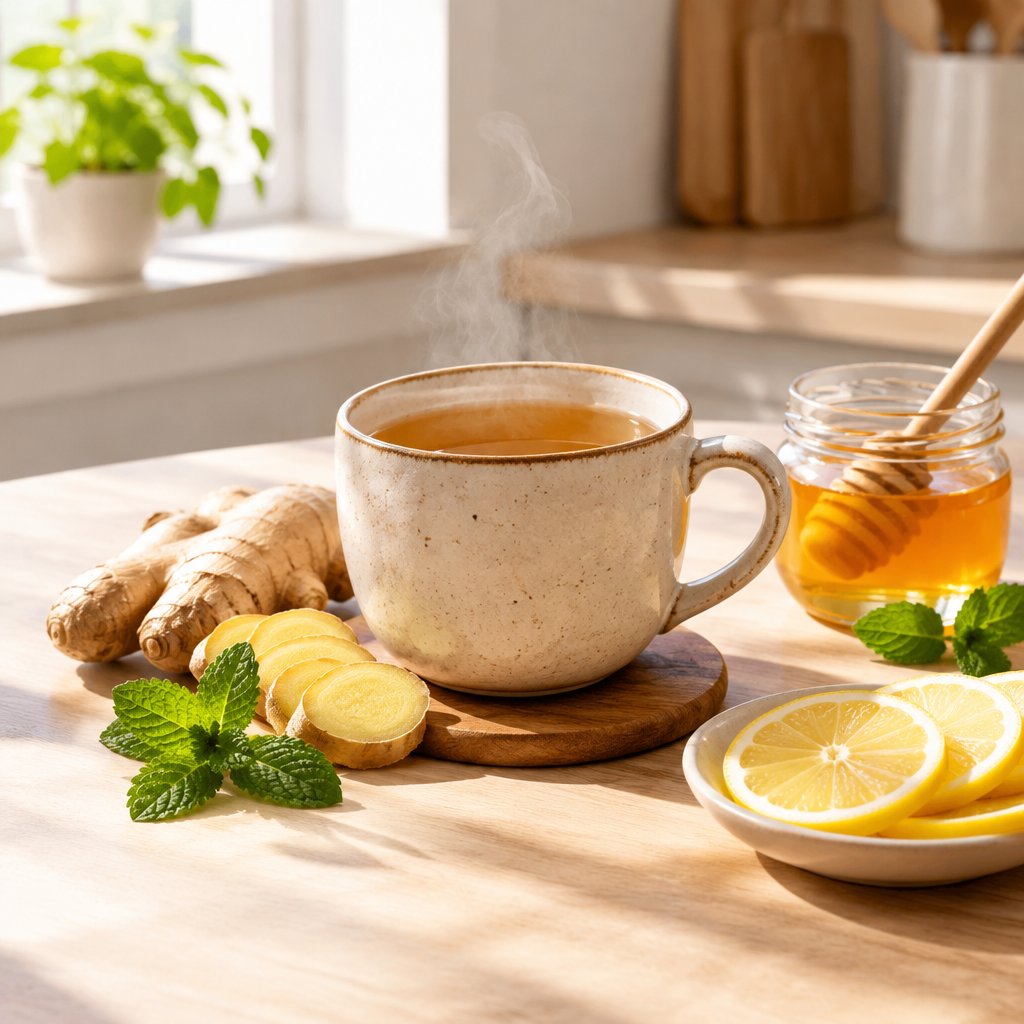
- Foods and drinks: You might find ginger tea or green tea soothing. Neither is an established allergy treatment, and adding turmeric to meals has no proven allergy-relief dose.
- Vitamins: Meet your vitamin C and vitamin D needs through food and clinician-guided supplementation when needed. Low vitamin D associations do not prove that extra vitamin D relieves your allergies.
- Probiotics: Your gut microbiome supports immune health, but allergy benefits from probiotics are inconsistent and vary by formulation.
- Herbal products: You lack strong clinical evidence for reliable relief from quercetin, stinging nettle, or bromelain. Discuss supplement choices for allergy symptoms with your pharmacist, including possible medicine interactions.
- Butterbur: Avoid self-treating with butterbur. You face potential liver toxicity, including rare liver injury with products reported to be PA-free.
- Honey and essential oils: You should expect no established allergy benefit from essential oils, which can irritate your airways or skin. Keep them out of nasal rinses and avoid swallowing them.
You also have no convincing evidence that honey relieves seasonal allergies. For daily comfort, protect your sleep and use relaxation practices that help you manage stress without expecting them to stop the allergic response.
When Are Home Remedies Not Enough?
You need additional allergy treatment when symptoms interfere with sleep or daily activities despite consistent home care. Arrange an assessment sooner for wheezing, persistent cough, or symptoms that are unusual for you.
Your allergy-related cough deserves attention if it continues, particularly with chest tightness. Fever or significant facial pain also warrants medical advice.
For ongoing symptoms, discuss these options with your clinician:
- Antihistamines: Less-sedating options help with sneezing and itching. Ask about drowsiness and medicine interactions.
- Nasal corticosteroids: These reduce nasal inflammation and are the preferred single treatment for persistent allergic rhinitis. Follow the label and aim the spray away from the center wall of your nose.
- Immunotherapy: If you have difficult-to-control or severe allergies, an allergist can assess whether allergy shots or approved under-the-tongue tablets suit your triggers.
Home remedies for allergies also have clear emergency limits. If raw produce causes an itchy mouth, you might have oral allergy syndrome, a pollen-related food reaction. Stop eating the trigger and seek an allergy assessment, especially for reactions to nuts.
Food allergies require their own care plan. If you develop throat swelling, breathing trouble, or faintness during an allergic reaction, use your prescribed epinephrine immediately and call 911. You should never delay emergency treatment for suspected anaphylaxis while trying a home remedy or antihistamine.
Start With Safer Relief and Add Treatment When Needed
Your safest starting plan combines careful saline rinsing with less exposure to your known triggers. Keep your rinse device clean, use safe water every time, and focus bedroom cleaning on the allergens that affect you.
Use natural allergy relief alongside appropriate allergy treatment when symptoms persist. Bring a record of your symptoms and any supplements you take to your appointment so your clinician can help you choose the next step.
Frequently Asked Questions
You can use home remedies for allergies as supportive care while watching how your symptoms respond. These answers address common questions about safe use and realistic results.
Can you permanently cure seasonal allergies at home?
You cannot permanently cure seasonal allergies with home remedies. Exposure reduction and saline rinsing help manage symptoms; allergist-guided immunotherapy offers longer-term relief for suitable patients.
How often should you rinse your nose?
Follow your rinse device’s directions and your clinician’s advice about frequency. Reduce or stop rinsing if you develop dryness, ear pressure, pain, or bleeding.
Does local honey protect you from pollen allergies?
You should not rely on local honey to prevent pollen allergies. Eating honey has not been shown to build reliable tolerance to the airborne pollens causing your symptoms.
Should you use steam for congestion?
You might feel brief comfort from a warm shower, but steam does not treat your allergic response. Avoid leaning over bowls of hot water because spills and steam cause burns.
Can you combine home care with allergy medicine?
You can combine pollen avoidance and correctly performed saline rinsing with allergy medicine. If you use a medicated nasal spray, rinse first so you do not immediately wash the medicine away.